
Technology
Practical development supported by science
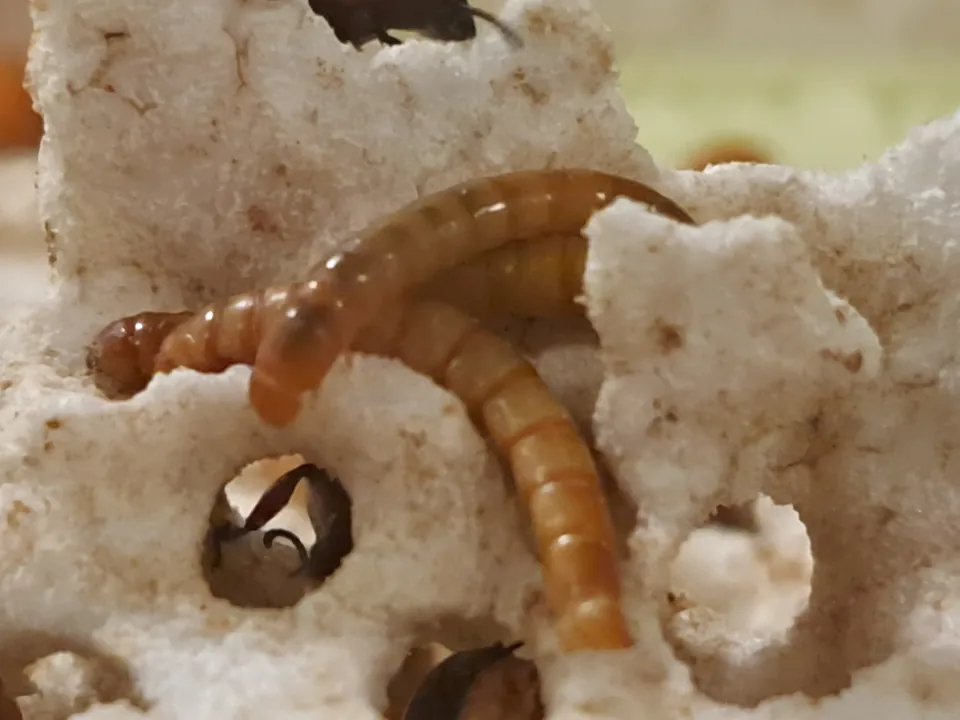
Cooperation between business and science enables ideas to be tested on real materials and under relevant conditions. Belinda Animals applies this approach to Tenebrio molitor rearing, bioconversion research and the assessment of applications for resulting fractions.
Institute for Biological Research “Siniša Stanković”
Cooperation with IBISS underpins the TeM incubator. The Institute’s experience with laboratory insect populations has been combined with Belinda’s work on pilot rearing and process organisation. This partnership is described in public UNDP and United Nations coverage.
University of Belgrade Faculty of Agriculture
We work with Faculty of Agriculture specialists in food technology, oils, fats and product analysis. Expertise in oil characterisation, by-product use and quality assessment is particularly relevant. The scope of laboratory work is defined for each research activity or project.
Defining a development task
We start with the material and the question to be answered. We then define process parameters, monitoring, analytical needs and criteria for the next development stage. This connects practical manufacturing knowledge with evidence and application development.
- 1
Material and question
What is being tested and why.
- 2
Process parameters
The conditions of the work.
- 3
Monitoring and analysis
How results are recorded and verified.
- 4
Next-stage decision
Clear criteria for continuing.
Research cooperation
Do you have a material or question you want to test? Describe the topic and the next step you have in mind.